Lead Pipe Replacement Toronto Homeowners Trust
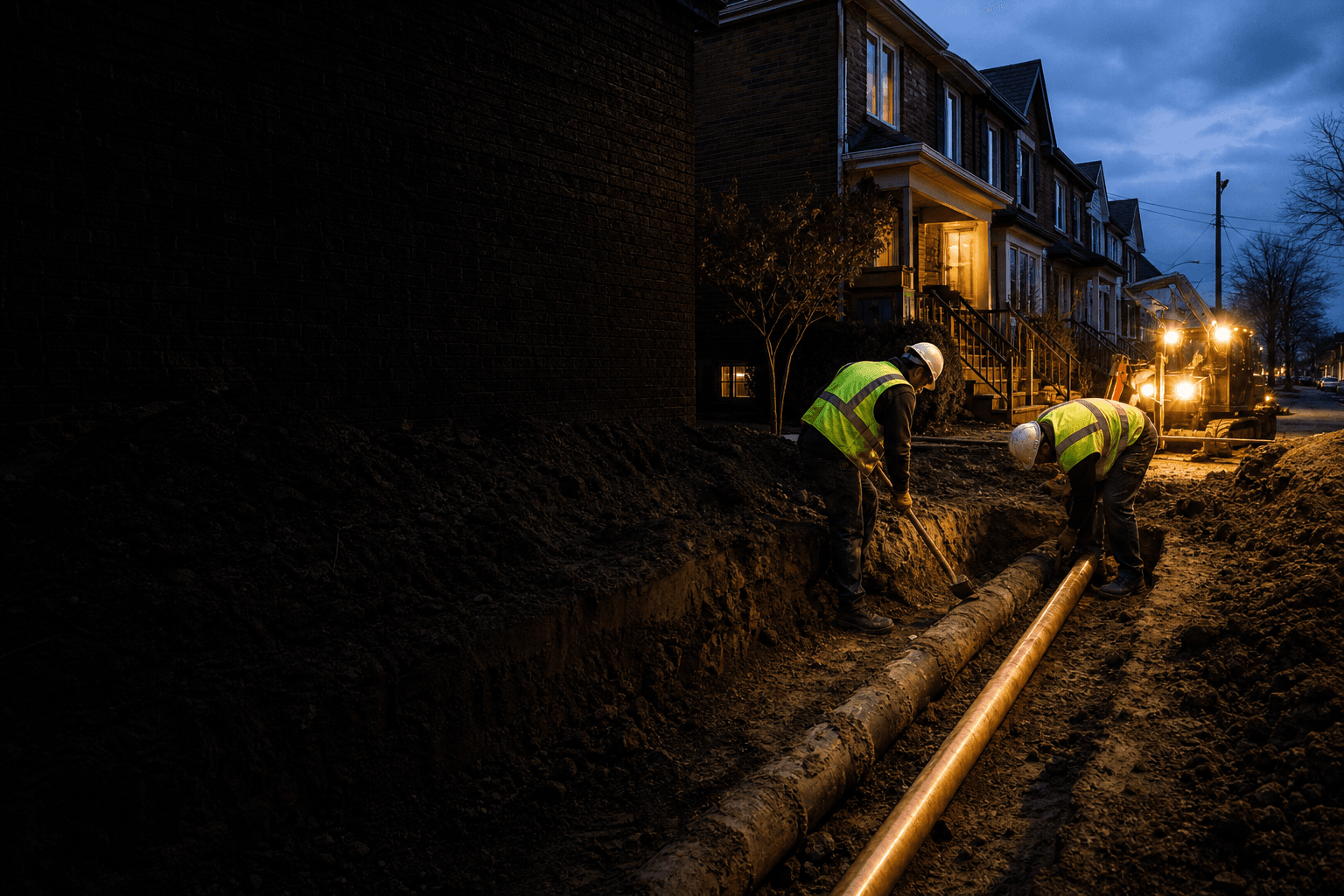
Toronto Lead Pipe Solutions replaces lead water service lines across the GTA. Licensed, permitted, and done right — most jobs completed in a single day.
Our Lead Pipe Replacement Services
From a quick inspection to a full lead service line replacement, we handle every part of the job.
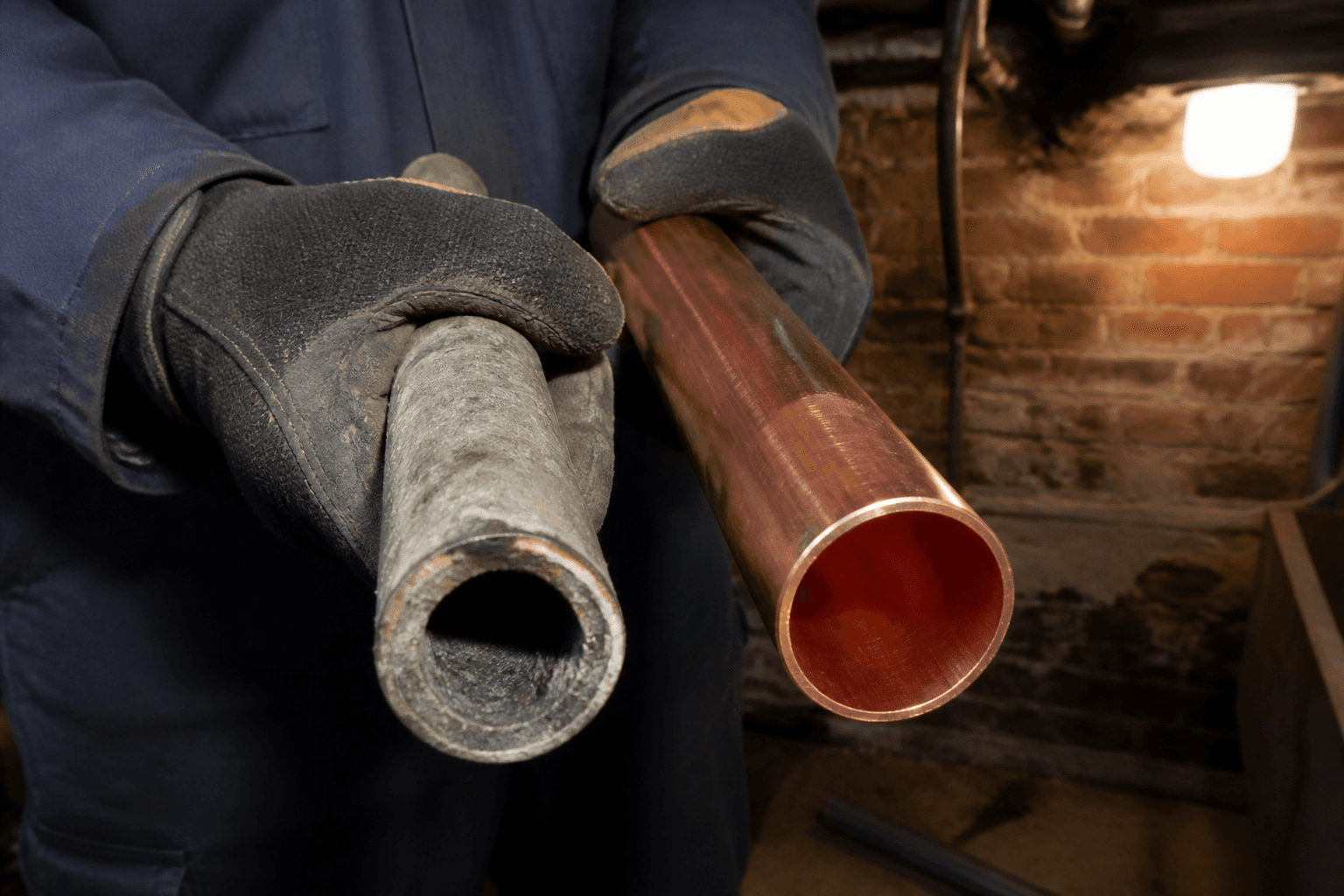
Lead Pipe Replacement
Full replacement of lead water service lines with copper or plastic piping — the complete solution for safe drinking water.
Learn more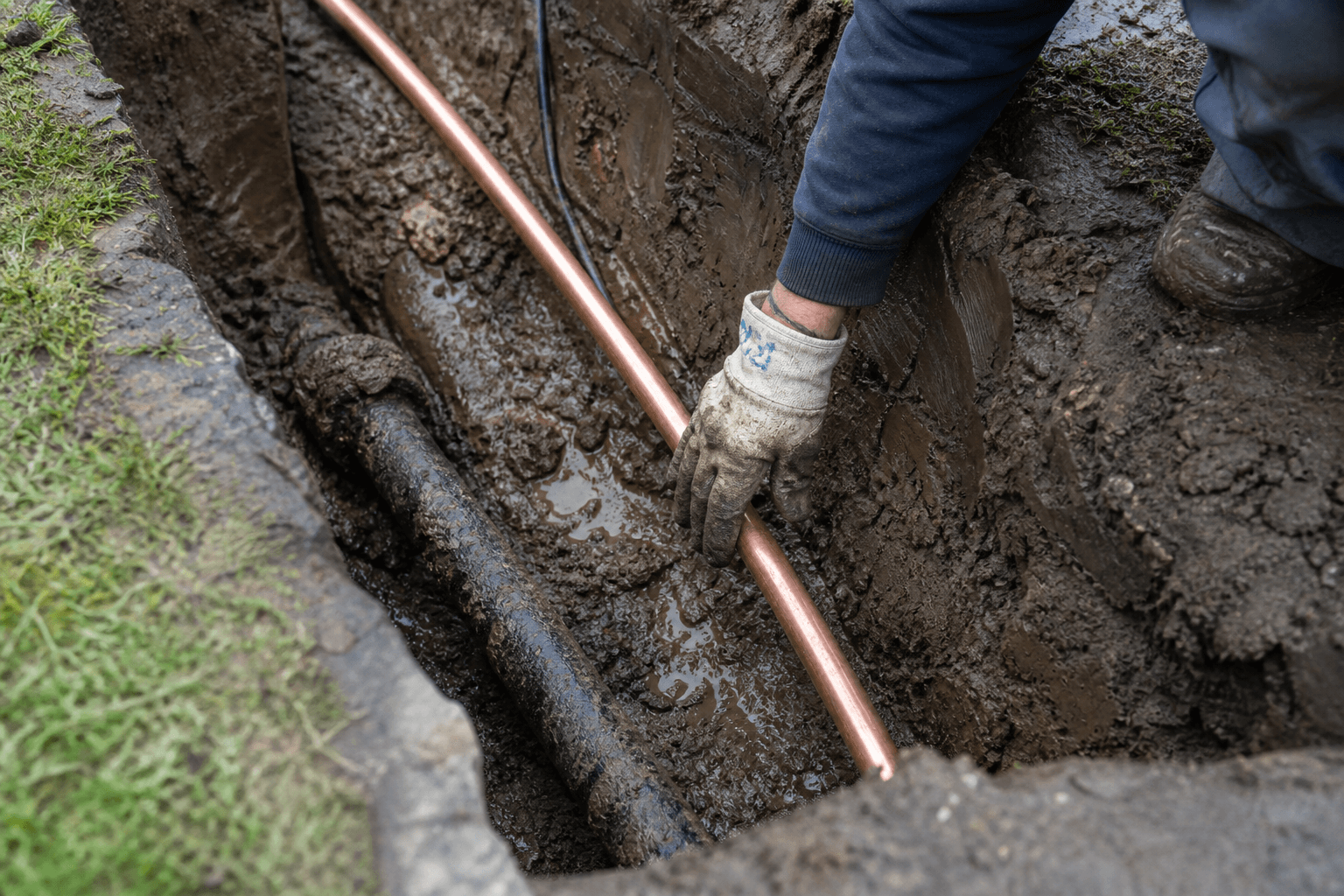
Lead Service Line Replacement
Replace the lead service line running from the city water main to your home, eliminating the primary source of lead contamination.
Learn more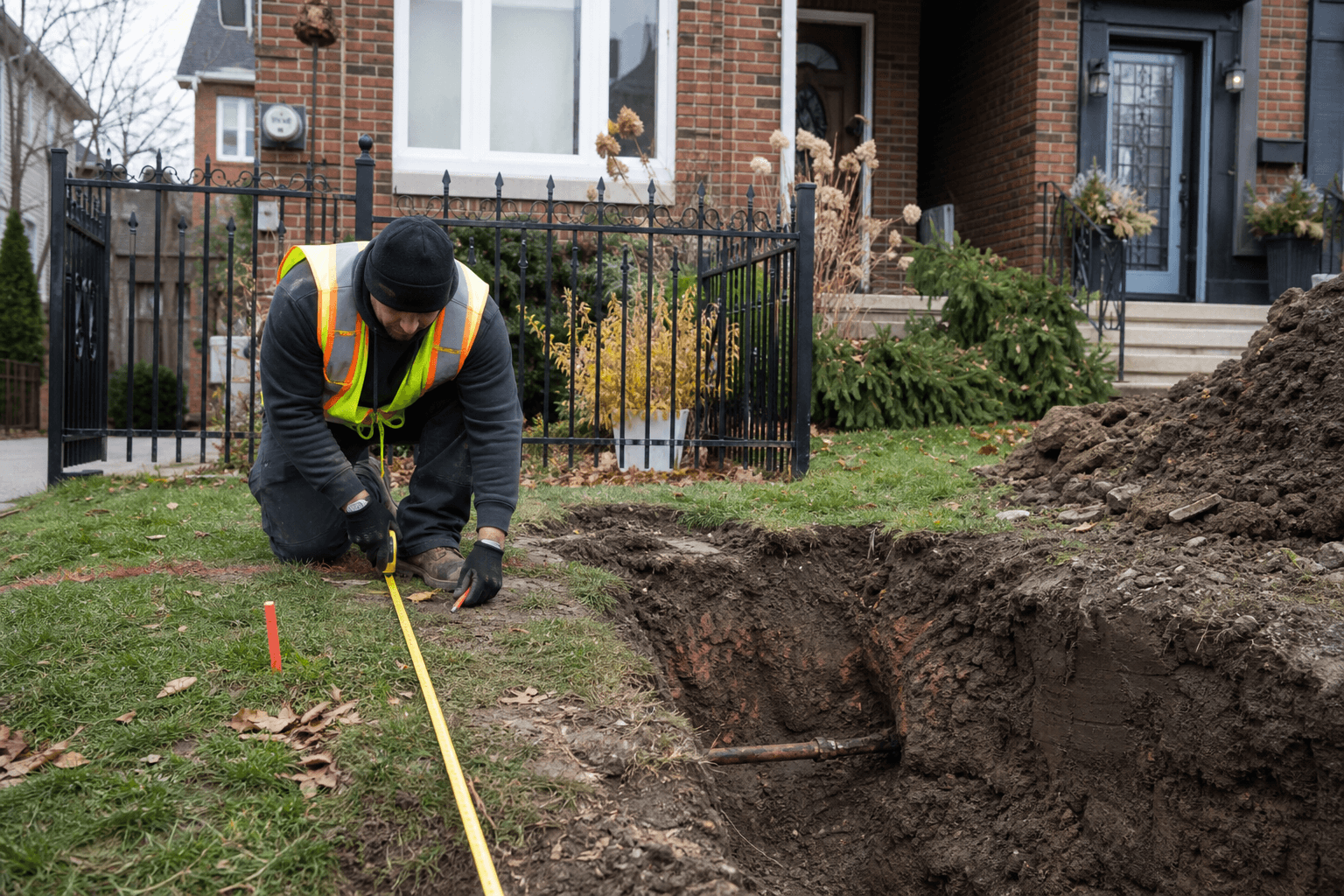
Private Side Lead Pipe Replacement
Replace the privately-owned portion of your lead service line — the section from the property line to your water meter.
Learn more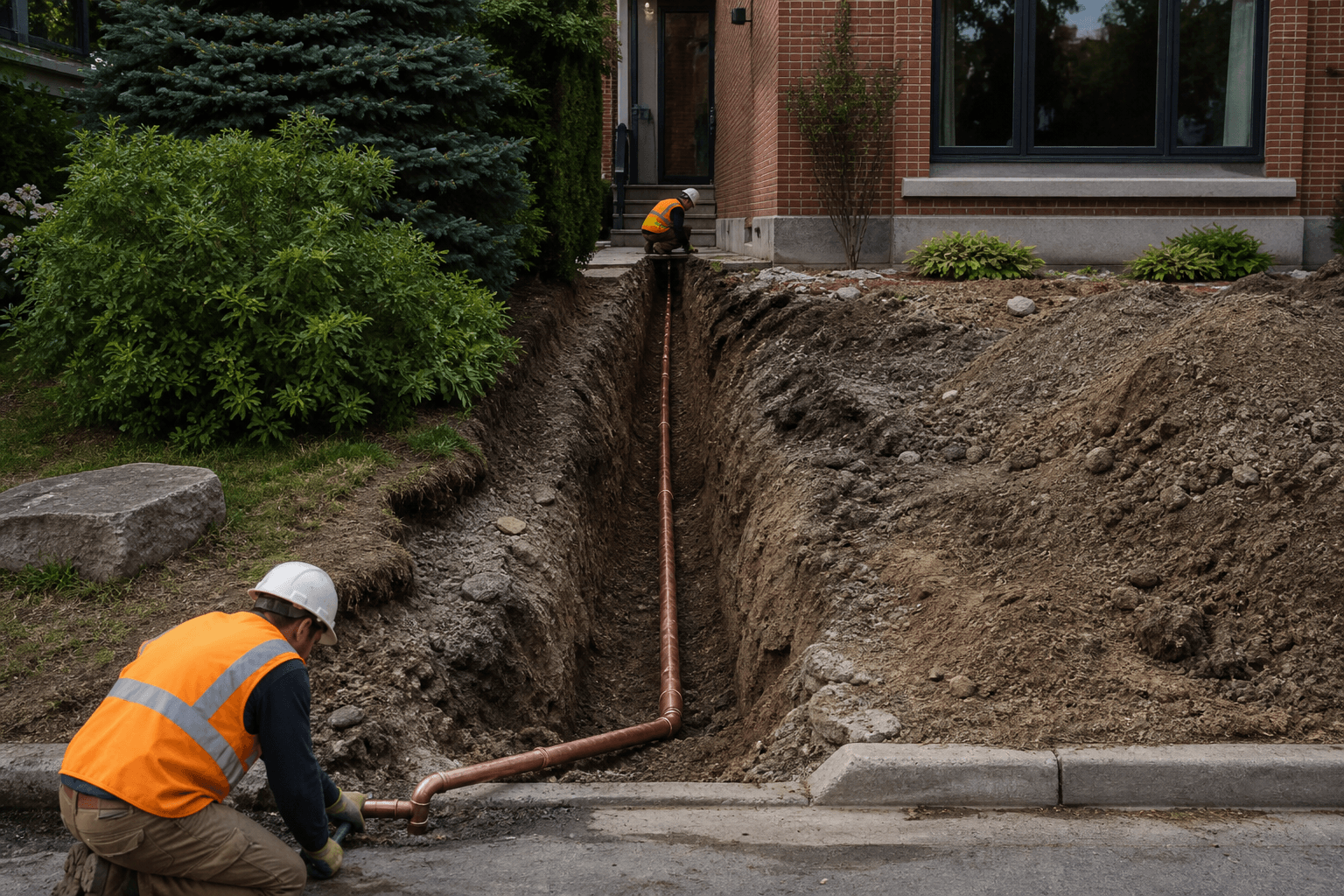
Full Lead Service Line Replacement
End-to-end replacement covering both the city-side and private-side sections in one coordinated dig — faster, cheaper, one permit.
Learn more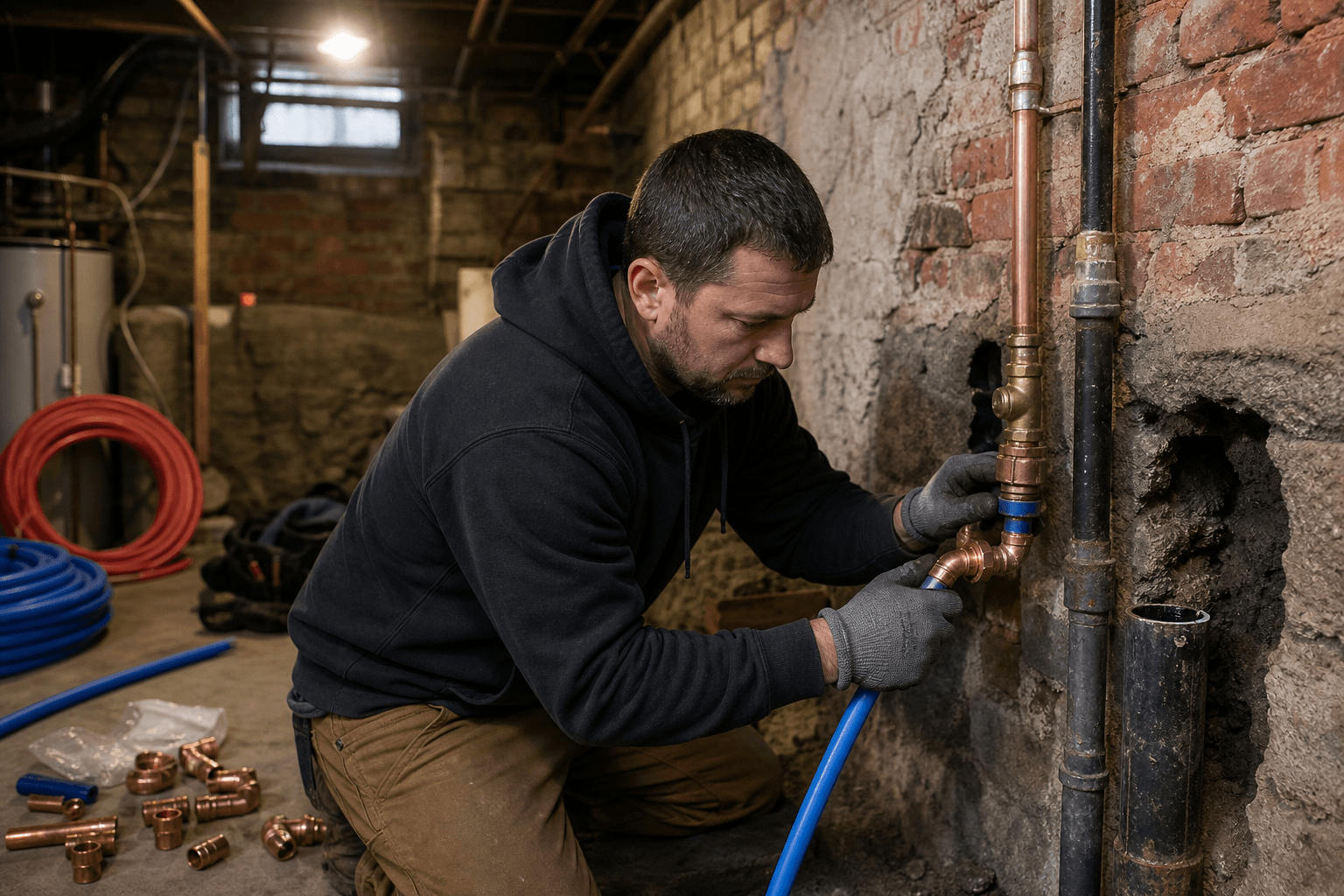
Water Service Line Replacement
Replace aging or broken water service lines regardless of material — lead, galvanized steel, or old plastic — with modern copper or PEX pipe.
Learn more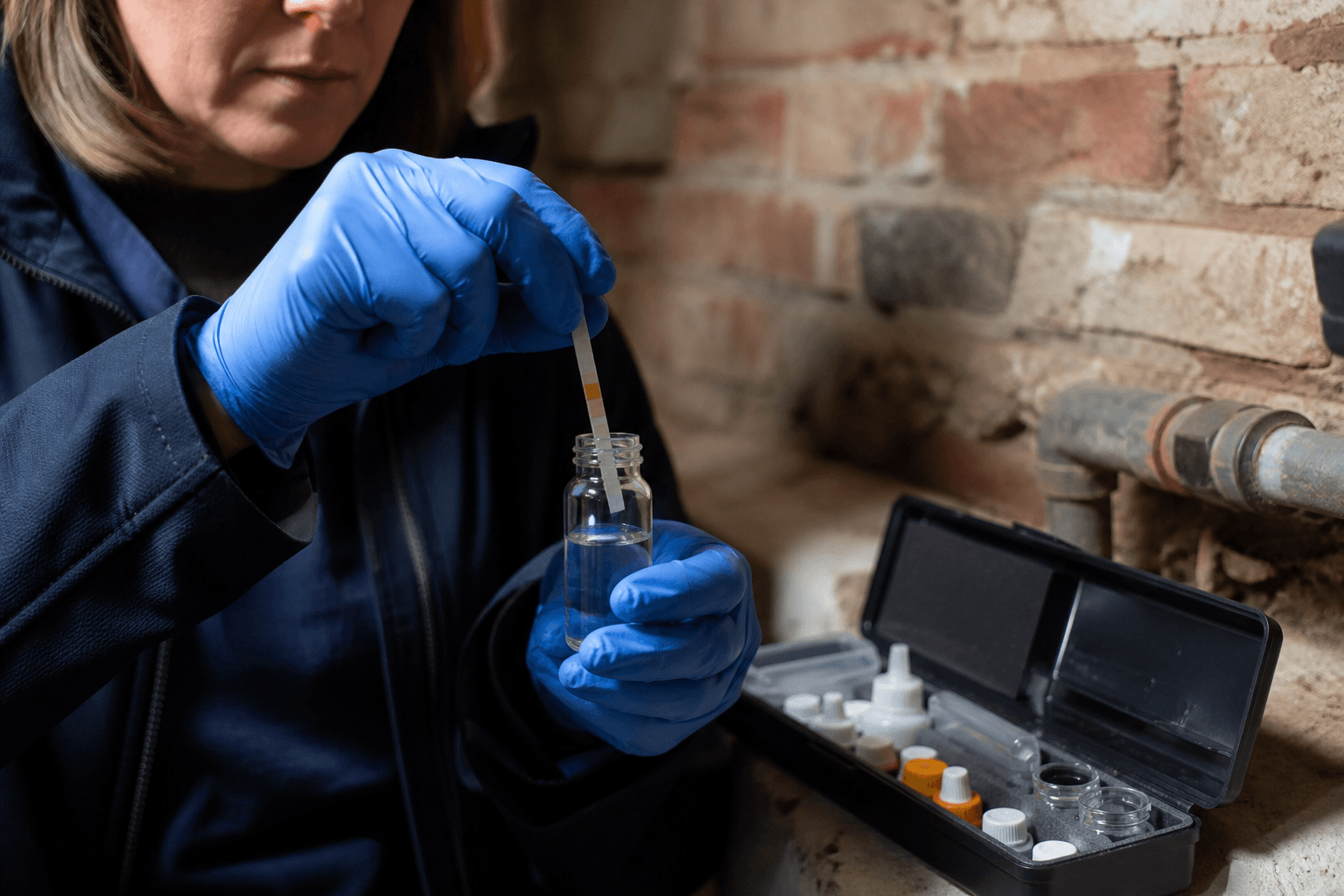
Lead Pipe Testing & Inspection
Not sure if your home has lead pipes? We inspect your service line, test your water, and give you a straight answer before any work begins.
Learn more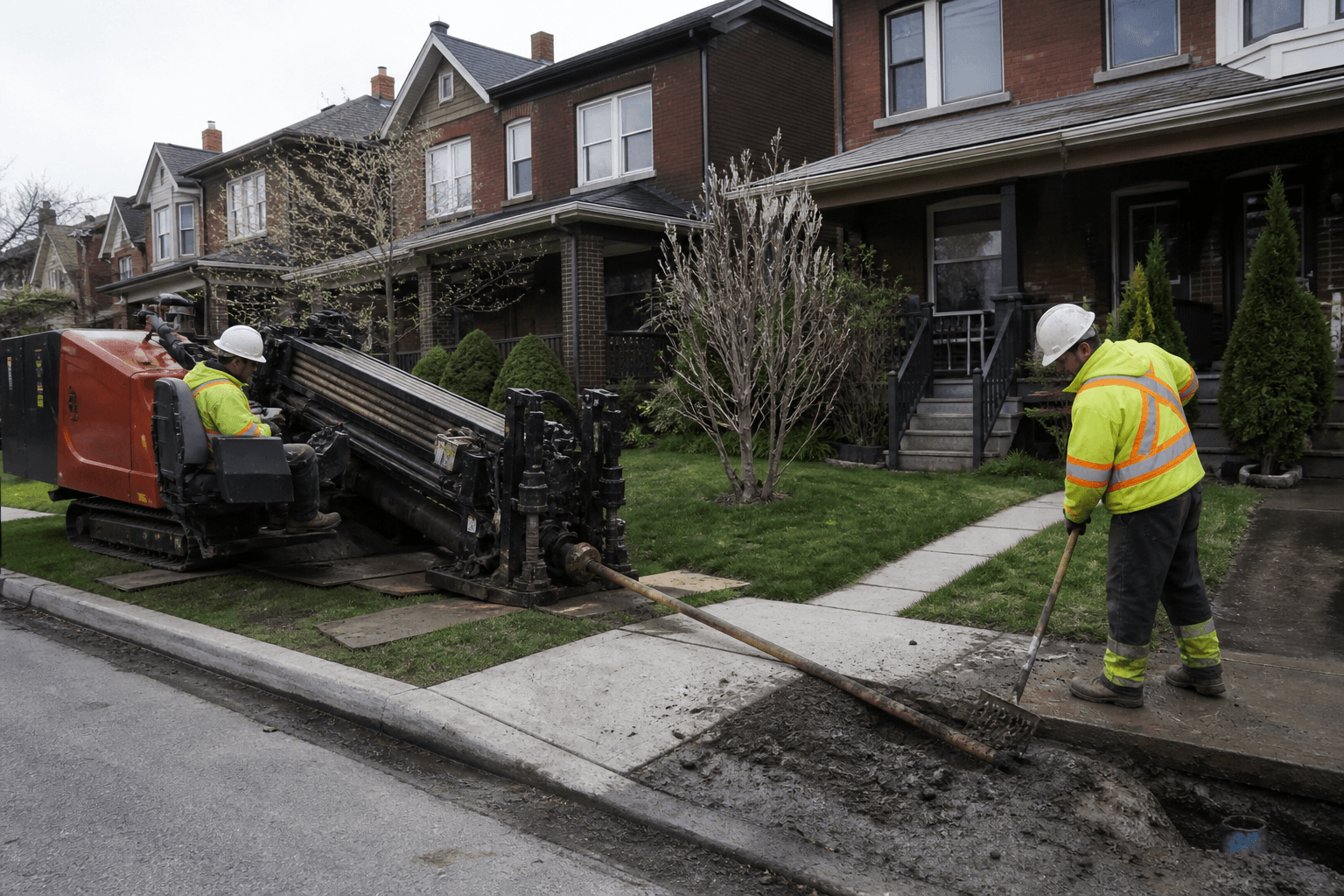
Trenchless Water Line Replacement
Replace your water line with minimal digging using pipe bursting or directional boring — no tearing up your driveway or landscaping.
Learn more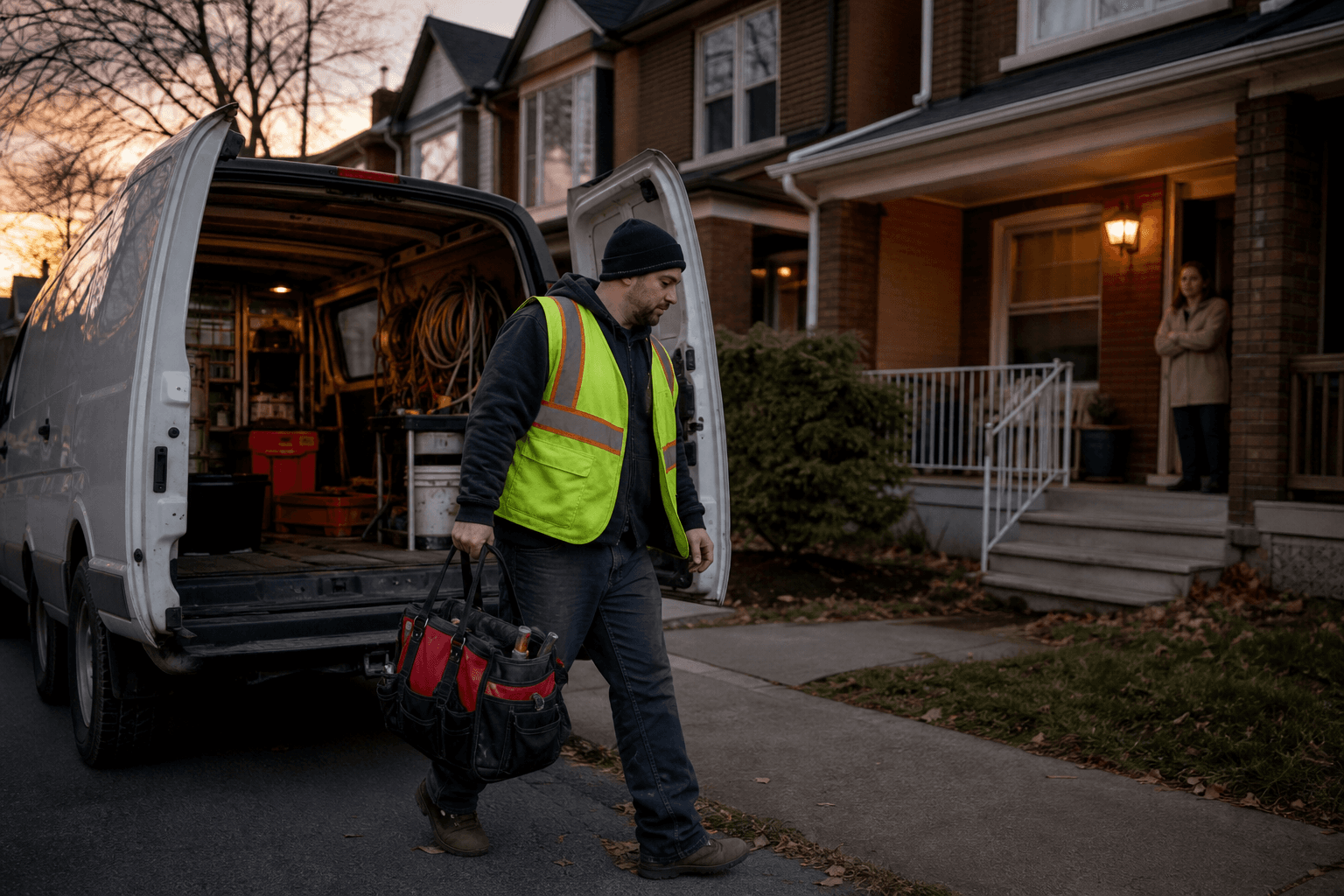
Emergency Water Line Repair
Burst pipe? No water pressure? We respond fast, 7 days a week, to get your water back on and stop damage before it spreads.
Learn more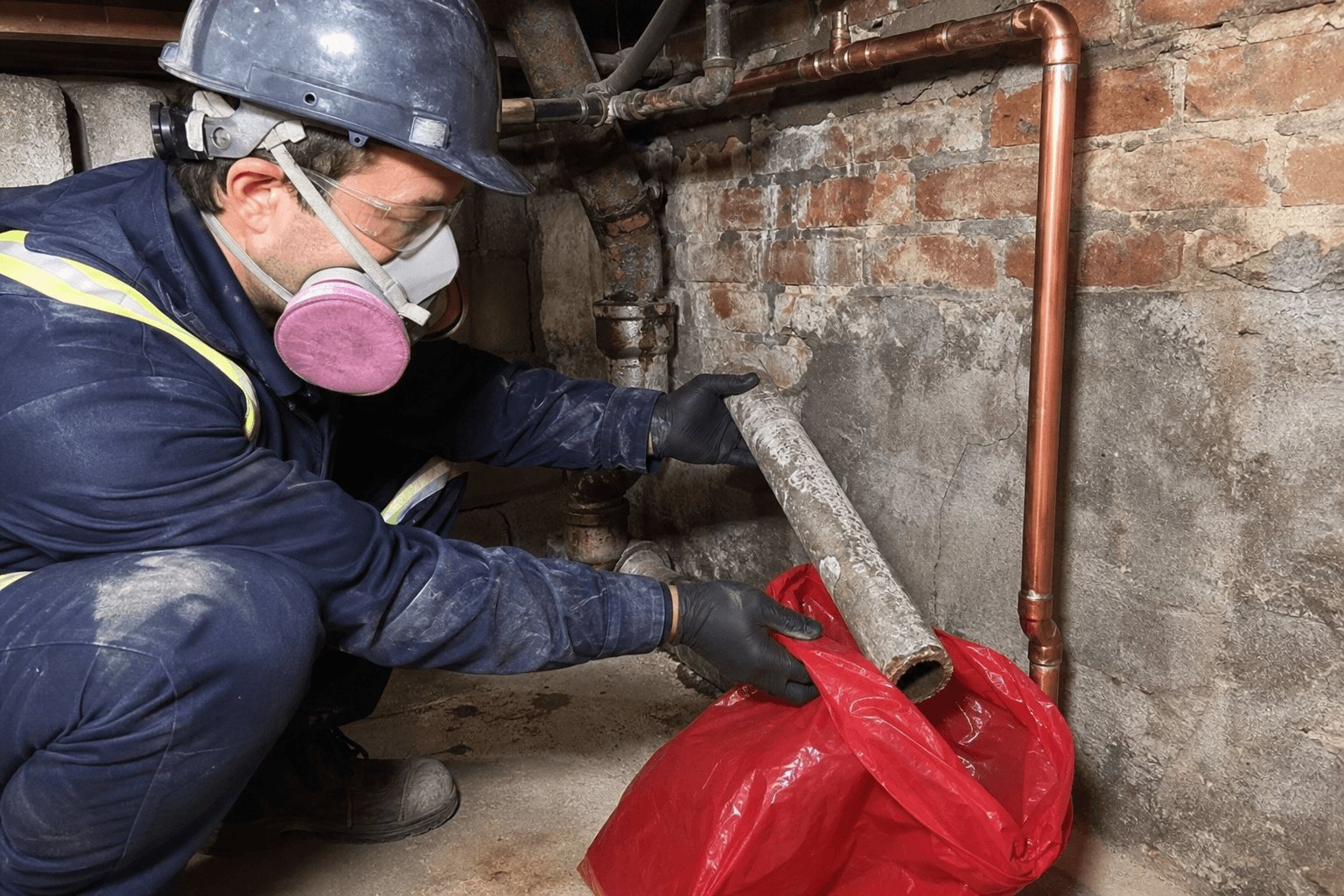
Lead Pipe Removal
Safe, compliant removal of all lead pipe materials from your home — properly disposed of so no trace of the hazard remains.
Learn more
Toronto Lead Pipe Replacement Program Assistance
We handle all the paperwork and coordination for the City of Toronto's subsidized lead pipe replacement program — so you don't have to.
Learn moreToronto's Lead Pipe Crisis — Why It Happened, How It Works, and What to Do Now
If your Toronto home was built before 1955, you almost certainly have lead in your water supply line. Here's the full story.
How Toronto Built Its Water Infrastructure on Lead
From the 1880s through to 1955, lead was the standard material for residential water service lines across North America. It was cheap, easy to bend around obstacles, and durable. Every major city — Toronto included — used it by default.
The City of Toronto installed lead water mains and encouraged homeowners to connect with lead service lines. Hundreds of thousands of properties across the original Toronto, North York, Scarborough, Etobicoke, East York, and York were connected this way.
It wasn't until the late 1970s that Canada began phasing lead out of plumbing. The Ontario Building Code formally banned lead service lines in new construction in 1975 — but the ban didn't require existing lines to be removed. They were simply left in place.
How Lead Gets Into Your Drinking Water
Lead doesn't announce itself. Your water looks clear, tastes normal, and smells fine. But every time water sits in contact with your lead service line — overnight, while you're at work, over a weekend — it's absorbing lead particles directly.
The leaching accelerates with soft water (which Toronto's treated supply is), hot water, and older pipes that have begun to corrode. The problem is worst at the first draw in the morning, after water has been stagnant in the line for hours.
Health Canada's guideline for lead in drinking water is 0.005 mg/L (5 parts per billion). Studies of Toronto homes with unrepaired lead lines routinely measure 10 to 40 times that level. There is no safe level of lead exposure — it's a neurotoxin that accumulates in the body over time.
The Only Permanent Solution Is Replacement
Water filters help, but they require daily discipline — one forgotten filter change and you're drinking lead again. Flushing the tap before use reduces exposure but doesn't eliminate it. These are risk-reduction measures, not solutions.
The City of Toronto formally recommends full lead service line replacement as the only permanent fix. The city has been systematically replacing the public-side (city-owned) portion of lead lines under Toronto streets as budgets allow.
The private-side portion — from the property line to your water meter — is your responsibility as a homeowner. That's where we come in. We replace the private section, coordinate with the city on the public section, and can complete both sides in a single mobilization.
Know Your Pipe: Material Identification Guide
Dull grey, slightly soft — scratches with a key to reveal a bright shine. Lead leaches into water at any concentration. There is no safe level of exposure. Health Canada classifies it as a priority contaminant.
Replace immediately.
Grey, magnetic, and prone to internal rust and mineral buildup. Galvanized pipe corrodes from the inside out. As it degrades, it can trap lead particles shed from older upstream lead sections — making it nearly as dangerous as lead itself.
Inspect and replace if corroded.
Orange-brown, rigid, and durable. The gold standard for residential water service lines for over 60 years. Modern copper lines last 50+ years with minimal maintenance. We use Type K copper for all underground service line replacements — the heaviest wall thickness available.
Current standard. No action needed.
Flexible cross-linked polyethylene pipe. Freeze-resistant, highly durable, and easier to run through tight spaces or under obstacles without joints. An excellent alternative to copper in properties where trenchless installation is preferred.
Modern alternative. No action needed.
Why Toronto Homeowners Choose Us for Lead Pipe Replacement
Lead pipes are a serious health risk. When you call Toronto Lead Pipe Solutions, you get licensed tradespeople who know Toronto's water systems, pull the right permits, and do the job once — properly.
- Licensed plumbers with GTA-specific permit experience
- Toronto Lead Pipe Replacement Program paperwork handled for you
- Fixed-price quotes — no hidden fees on the invoice
- Same-day water restoration on most jobs
- Fully insured, TSSA-approved operations
- Work on both private-side and coordinated full-line replacements

How the Process Works
Four steps from first call to clean water.
Free Inspection
We visit your home, inspect your service line, and tell you exactly what's there — no charge.
Clear Quote
You get a written, fixed-price quote before any work starts. No surprises on the invoice.
Permitted Work
We pull all required City of Toronto permits and coordinate with the water department on your behalf.
Clean Replacement
New copper or PEX line installed. Site left clean. Water restored the same day in most cases.
Common Questions About Lead Pipe Replacement in Toronto
Why do lead pipes need replacement?
Are lead pipes banned in Canada?
Who is responsible for replacing lead pipes?
Is it safe to live in a house with lead pipes?
How do I know if I have lead pipes?
How much does lead pipe replacement cost in Toronto?
Lead Pipe Replacement Across the GTA
We serve Toronto and every major surrounding municipality — from Oshawa in the east to Burlington in the west, and from downtown Toronto to Newmarket in the north. If your property sits in the Greater Toronto Area and was built before 1960, there's a real chance we'll find a lead service line on our first visit.
Our crews are familiar with the specific permitting processes, water department contacts, and trench conditions in each municipality. That local knowledge means fewer delays, faster permit approvals, and no surprises on the day of work.
View all areas we serveHigh-Risk Hotspots
Old Toronto & East York
Dense row-house neighbourhoods built between 1890 and 1940. Lead service lines are nearly universal in homes predating the 1955 transition period. The Annex, Leslieville, Riverdale, and Cabbagetown are among the most affected streets.
North York (pre-1955 subdivisions)
Rapid post-war residential expansion brought tens of thousands of homes online with standard lead connections. Willowdale, Bathurst Manor, and the older pockets of Lawrence Park are well-known concentration areas.
York & Weston
Some of the oldest residential stock in the GTA. York was an independent municipality with its own water infrastructure that dates back to the early 1900s. Lead pipe density here is among the highest in the city.
Scarborough (pre-1960 areas)
Cliffside, Birchcliff, and the original Scarborough township areas developed before the pipe material transition. Homes closest to the former town centres tend to have the oldest and most corroded service lines.
Etobicoke (Long Branch, Mimico, New Toronto)
The waterfront communities of south Etobicoke were some of the earliest settled parts of the region. Lead service lines here often run longer distances from the main — meaning more contact time and higher leaching risk.
Get a Free Lead Pipe Replacement Quote Today
Call Toronto Lead Pipe Solutions now or fill out the form. We respond within 2 hours on business days.